Buy ivm.co.at ?
We are moving the project
ivm.co.at .
Are you interested in purchasing the domain
ivm.co.at ?
domain@kv-gmbh.de · 0541-91531010
Buy ivm.co.at ?
What are the functions and characteristics of current transformers, current sensors, coil sensors, inverters, and solar panels?
Current transformers are used to measure alternating current (AC) by stepping down the current to a lower, more manageable level for measurement. Current sensors are devices that detect and measure current flow in a circuit. Coil sensors are used to detect the presence of metal objects and are commonly found in proximity sensors and metal detectors. Inverters are electronic devices that convert direct current (DC) to alternating current (AC) and are commonly used in solar power systems to convert the DC electricity generated by solar panels into usable AC electricity. Solar panels are devices that convert sunlight into electricity through the photovoltaic effect, providing a renewable source of energy. **
What is a control current?
A control current is a constant electrical current that is used to regulate the operation of a device or system. It is typically used to maintain a specific level of performance or to ensure that certain parameters are met. By adjusting the control current, the behavior of the device or system can be modified to achieve the desired outcome. Control currents are commonly used in various applications such as automation, electronics, and industrial processes. **

Similar search terms for Current
Top-Angebote
Products related to Current:
-
Borsehung B17806 Relay, main currentConstruction Year from: 01/2009, 11/1995, 03/2006, 01/1997, 06/2010, 11/1996, 05/2010, 10/1997, 09/1997, 08/1997, 03/2012, 08/2010, 02/2011, 02/2009, 08/2008, 04/2011, 09/2008, 09/1998, 08/1998, 05/2000, 03/2000, 10/1999, 06/2001, 04/2000, 01/2001, 02/2001, 04/2002, 06/2002, 02/2002, 09/2002, 08/2002, 05/2001, 12/2002, 10/2002, 01/2003, 09/2003, 05/2003, 03/2003, 08/2003, 04/2004, 05/2004, 07/2003, 01/2004, 03/2004, 10/2003, 12/2003, 02/2004, 02/2003, 07/2004, 08/2004, 09/2004, 06/2004, 01/2005, 03/2005, 05/2005, 11/2004, 02/2005, 08/2005, 07/2005, 11/2005, 10/2004, 01/2006, 12/2005, 04/2005, 10/2005, 09/2005, 09/2006, 06/2006, 10/2006, 05/2006, 11/2006, 12/2006, 08/2006, 07/2006, 06/2007, 07/2007, 01/2007, 02/2006, 11/2007, 10/2007, 05/2007, 09/2007, 04/2007, 08/2007, 01/2008, 02/2008, 05/2008, 04/2006, 12/2008, 02/2007, 11/2008, 10/2008, 07/2008, 04/2009, 07/2009, 09/2009, 12/2009, 11/2009, 03/2010, 08/2009, 01/2010, 02/2010, 04/2008, 07/20105,59 £*Shipping: 8,45 £Secure redirect to the provider


-
What is the difference between control current and load current?
Control current is the current that flows through the control circuit of a device, such as a relay or a switch, to activate or deactivate the device. It is typically a low voltage and low current signal used to control the operation of the device. On the other hand, load current is the current that flows through the main circuit of the device, powering the load or the device itself. It is the actual current that does the work, such as powering a motor or lighting a bulb. In summary, control current is used to control the operation of a device, while load current is the actual current that powers the device. **
-
What does the current inflation control look like?
The current inflation control measures include the central bank's use of monetary policy tools such as interest rate adjustments and open market operations to manage the money supply and control inflation. Additionally, fiscal policy measures such as government spending and taxation are also used to influence aggregate demand and inflation. Central banks and governments closely monitor key economic indicators such as the Consumer Price Index (CPI) and Producer Price Index (PPI) to assess inflationary pressures and make policy adjustments accordingly. Overall, the current inflation control efforts involve a combination of monetary and fiscal policy tools to maintain price stability and sustainable economic growth. **
-
Is lightning direct current, alternating current, or three-phase current?
Lightning is a form of electrical discharge that occurs in the atmosphere, and it is best described as a form of alternating current. This is because lightning is characterized by rapid fluctuations in the direction of the electrical current, as it moves back and forth between the clouds and the ground. This alternating current is what causes the characteristic flickering and flashing of lightning bolts. **
-
What type of current is it, alternating current or direct current?
The type of current being referred to would depend on the specific context or application. Alternating current (AC) is commonly used in household electrical systems and is characterized by its periodic reversal of direction. On the other hand, direct current (DC) flows in one direction and is often used in electronics and battery-powered devices. Therefore, the type of current being discussed would depend on the specific electrical system or device in question. **

Instead of three-phase current, alternating current?
Alternating current (AC) is preferred over three-phase current in many applications because it is more commonly available and easier to distribute. AC can be easily converted to different voltage levels using transformers, making it versatile for various electrical systems. Additionally, AC is safer for use in residential and commercial buildings due to its ability to be easily controlled and regulated. Overall, AC is a more practical and efficient choice for most electrical power systems compared to three-phase current. **
How can I control a direct current motor with the Arduino?
To control a direct current (DC) motor with an Arduino, you can use a motor driver module such as the L298N or L293D. These modules allow the Arduino to control the speed and direction of the motor by providing the necessary power and signals. You can connect the motor driver module to the Arduino's digital output pins to control the motor's rotation direction and use PWM (Pulse Width Modulation) signals to control the motor's speed. Additionally, you will need to power the motor driver module with an external power supply to provide the necessary current for the motor. **
Top-Angebote
Products related to Current:
-
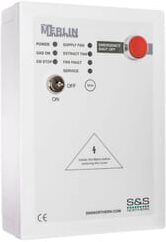
S&S Northern Merlin CT1250 Gas Interlock Panel with Two Built In Current SensorsEnsure the safety and compliance of your commercial kitchen with the Merlin CT1250 Gas Interlock Panel. Specifically designed to meet BS6173 standards, this advanced ventilation interlock system integrates seamlessly with kitchens where appliances have flame failure devices, eliminating the need for gas proving. The Merlin CT1250 serves as a crucial interlock between your ventilation system and gas solenoid valve, featuring built-in current monitors that interlock with up to two fans. This reliable method offers an excellent alternative to air pressure differential switches, especially in scenarios where such switches are impractical, like with wall-mounted fans. Compliance with BS6173: Ensures your commercial kitchen meets required safety standards. For Appliances with Flame Failure Devices:332,00 £*Shipping: 0,00 £Secure redirect to the provider
-
Current Softflex Dark Blue Grill Cover For Current Model G and Model G 2.0Protect your investment with the Ocean Colored Current Softflex Cover. It is lightweight yet built to withstand the elements and custom sized to fit your Current grill or griddle. Machine washable, and made to last and stylish.99,99 $*Shipping: 0,00 $Secure redirect to the provider
-
Borsehung B17806 Relay, main currentConstruction Year from: 01/2009, 11/1995, 03/2006, 01/1997, 06/2010, 11/1996, 05/2010, 10/1997, 09/1997, 08/1997, 03/2012, 08/2010, 02/2011, 02/2009, 08/2008, 04/2011, 09/2008, 09/1998, 08/1998, 05/2000, 03/2000, 10/1999, 06/2001, 04/2000, 01/2001, 02/2001, 04/2002, 06/2002, 02/2002, 09/2002, 08/2002, 05/2001, 12/2002, 10/2002, 01/2003, 09/2003, 05/2003, 03/2003, 08/2003, 04/2004, 05/2004, 07/2003, 01/2004, 03/2004, 10/2003, 12/2003, 02/2004, 02/2003, 07/2004, 08/2004, 09/2004, 06/2004, 01/2005, 03/2005, 05/2005, 11/2004, 02/2005, 08/2005, 07/2005, 11/2005, 10/2004, 01/2006, 12/2005, 04/2005, 10/2005, 09/2005, 09/2006, 06/2006, 10/2006, 05/2006, 11/2006, 12/2006, 08/2006, 07/2006, 06/2007, 07/2007, 01/2007, 02/2006, 11/2007, 10/2007, 05/2007, 09/2007, 04/2007, 08/2007, 01/2008, 02/2008, 05/2008, 04/2006, 12/2008, 02/2007, 11/2008, 10/2008, 07/2008, 04/2009, 07/2009, 09/2009, 12/2009, 11/2009, 03/2010, 08/2009, 01/2010, 02/2010, 04/2008, 07/20105,59 £*Shipping: 8,45 £Secure redirect to the provider
-
What are the functions and characteristics of current transformers, current sensors, coil sensors, inverters, and solar panels?
Current transformers are used to measure alternating current (AC) by stepping down the current to a lower, more manageable level for measurement. Current sensors are devices that detect and measure current flow in a circuit. Coil sensors are used to detect the presence of metal objects and are commonly found in proximity sensors and metal detectors. Inverters are electronic devices that convert direct current (DC) to alternating current (AC) and are commonly used in solar power systems to convert the DC electricity generated by solar panels into usable AC electricity. Solar panels are devices that convert sunlight into electricity through the photovoltaic effect, providing a renewable source of energy. **
-
What is a control current?
A control current is a constant electrical current that is used to regulate the operation of a device or system. It is typically used to maintain a specific level of performance or to ensure that certain parameters are met. By adjusting the control current, the behavior of the device or system can be modified to achieve the desired outcome. Control currents are commonly used in various applications such as automation, electronics, and industrial processes. **
-
What is the difference between control current and load current?
Control current is the current that flows through the control circuit of a device, such as a relay or a switch, to activate or deactivate the device. It is typically a low voltage and low current signal used to control the operation of the device. On the other hand, load current is the current that flows through the main circuit of the device, powering the load or the device itself. It is the actual current that does the work, such as powering a motor or lighting a bulb. In summary, control current is used to control the operation of a device, while load current is the actual current that powers the device. **
-
What does the current inflation control look like?
The current inflation control measures include the central bank's use of monetary policy tools such as interest rate adjustments and open market operations to manage the money supply and control inflation. Additionally, fiscal policy measures such as government spending and taxation are also used to influence aggregate demand and inflation. Central banks and governments closely monitor key economic indicators such as the Consumer Price Index (CPI) and Producer Price Index (PPI) to assess inflationary pressures and make policy adjustments accordingly. Overall, the current inflation control efforts involve a combination of monetary and fiscal policy tools to maintain price stability and sustainable economic growth. **
Similar search terms for Current
-
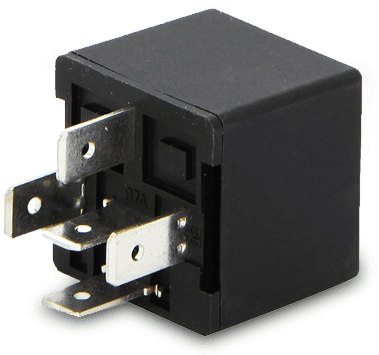
MAHLE MR 63 Relay, main currentRelay function: Low Beam, Heated rear window, Window Regulator, Rear Window Wiper, Klaxon, Fan, heater/air conditioning, Windscreen Wiper; Number of pins: 5; Rated Voltage [V]: 12; Quiescent current [mA]: 15; Rated current [A]: 40; Supplementary Article / Supplementary Info: with holder; Packaging width [cm]: 3,20; Packaging length [cm]: 3,9; Net Weight [g]: 30; Packaging height [cm]: 5,506,59 £*Shipping: 8,45 £Secure redirect to the provider
-
Felt Right Current Sound Dampening Pinnable TilesEach Felt Right tile is made from high-density, engineered PET felt that has a warm, wool-like appearance but is also very durable and wear-resistant! Each of our ⅜” Felt Right tiles act as a sound barrier on your walls. The fibrous nature of the...222,00 $*Shipping: 0,00 $Secure redirect to the provider
-
Is lightning direct current, alternating current, or three-phase current?
Lightning is a form of electrical discharge that occurs in the atmosphere, and it is best described as a form of alternating current. This is because lightning is characterized by rapid fluctuations in the direction of the electrical current, as it moves back and forth between the clouds and the ground. This alternating current is what causes the characteristic flickering and flashing of lightning bolts. **
-
What type of current is it, alternating current or direct current?
The type of current being referred to would depend on the specific context or application. Alternating current (AC) is commonly used in household electrical systems and is characterized by its periodic reversal of direction. On the other hand, direct current (DC) flows in one direction and is often used in electronics and battery-powered devices. Therefore, the type of current being discussed would depend on the specific electrical system or device in question. **
-
Instead of three-phase current, alternating current?
Alternating current (AC) is preferred over three-phase current in many applications because it is more commonly available and easier to distribute. AC can be easily converted to different voltage levels using transformers, making it versatile for various electrical systems. Additionally, AC is safer for use in residential and commercial buildings due to its ability to be easily controlled and regulated. Overall, AC is a more practical and efficient choice for most electrical power systems compared to three-phase current. **
-
How can I control a direct current motor with the Arduino?
To control a direct current (DC) motor with an Arduino, you can use a motor driver module such as the L298N or L293D. These modules allow the Arduino to control the speed and direction of the motor by providing the necessary power and signals. You can connect the motor driver module to the Arduino's digital output pins to control the motor's rotation direction and use PWM (Pulse Width Modulation) signals to control the motor's speed. Additionally, you will need to power the motor driver module with an external power supply to provide the necessary current for the motor. **
* All prices are inclusive of VAT and, if applicable, plus shipping costs. The offer information is based on the details provided by the respective shop and is updated through automated processes. Real-time updates do not occur, so deviations can occur in individual cases. ** Note: Parts of this content were created by AI.