Buy ivm.co.at ?
We are moving the project
ivm.co.at .
Are you interested in purchasing the domain
ivm.co.at ?
domain@kv-gmbh.de · 0541-91531010
Buy ivm.co.at ?
What is the difference between an industrial electrician and an automation electrician?
An industrial electrician typically works on maintaining and repairing electrical systems in industrial settings such as factories, manufacturing plants, and warehouses. They focus on ensuring that electrical equipment is functioning properly to keep production running smoothly. On the other hand, an automation electrician specializes in installing, programming, and maintaining automated systems that control machinery and processes in industrial environments. They work with advanced technologies like PLCs (Programmable Logic Controllers) and SCADA (Supervisory Control and Data Acquisition) systems to optimize efficiency and productivity. **
Are there major differences between the training for industrial electricians and automation electricians?
Yes, there are major differences between the training for industrial electricians and automation electricians. Industrial electricians typically receive training focused on installing, maintaining, and repairing electrical systems in industrial settings such as factories and manufacturing plants. On the other hand, automation electricians receive specialized training in the installation, maintenance, and programming of automated systems and machinery, such as robotics and control systems. Automation electricians also often require knowledge of computer programming and networking in addition to traditional electrical skills. Therefore, the training for automation electricians is more specialized and focused on the integration of electrical and automation systems. **


Similar search terms for Industrial
Top-Angebote
Products related to Industrial:
-
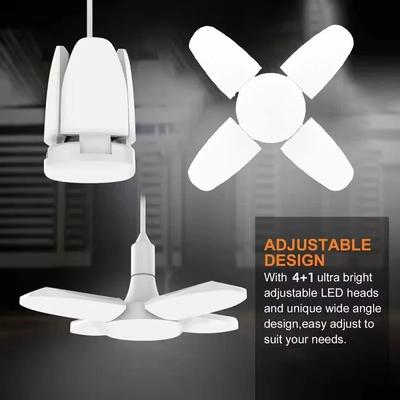
Uplift Essentials Quadro Glow Industrial Folding LED Quadro Glow Industrial Folding LED"Transform any dim space into a highvisibility sanctuary with the QuadroGlow Industrial Folding LED. This highperformance, super bright light bulb features a revolutionary ""Deformable"" design with four independent, adjustable LED panels. Whether..."41,97 $*Shipping: 0,00 $Secure redirect to the provider
-
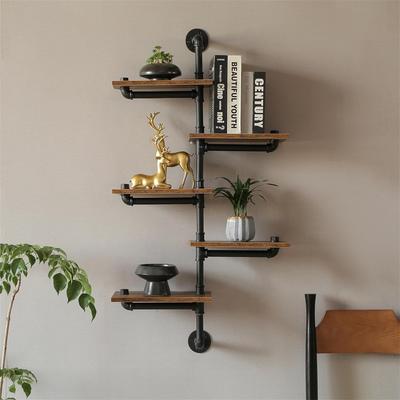
No Industrial Computer DeskWith its clean lines and minimalistic design, this computer desk offers an uncluttered look. The simplicity of the design allows for easy integration into any interior style, whether it's a modern office or a vintage-inspired study.313,21 $*Shipping: 0,00 $Secure redirect to the provider


-
Why are industrial clerks called industrial clerks?
Industrial clerks are called so because they perform administrative and clerical tasks within an industrial setting. Their role involves maintaining records, processing paperwork, and providing support to the operations and management of industrial businesses. The term "industrial" is used to specify the type of environment in which these clerks work, distinguishing them from clerks in other sectors such as retail or healthcare. **
-
What is the difference between an industrial electronics technician and an automation electronics technician?
An industrial electronics technician typically focuses on maintaining and repairing electronic equipment used in industrial settings, such as manufacturing plants or power plants. They are responsible for troubleshooting and fixing issues with electronic systems to ensure smooth operations. On the other hand, an automation electronics technician specializes in designing, programming, and maintaining automated systems that control machinery and processes. They work with advanced technologies like PLCs (Programmable Logic Controllers) and SCADA (Supervisory Control and Data Acquisition) systems to optimize efficiency and productivity in industrial automation. **
-
How can one learn to become an electronics technician for industrial engineering or automation technology?
To become an electronics technician for industrial engineering or automation technology, one can start by pursuing a relevant educational program, such as an associate degree in electronics engineering technology or industrial automation. These programs typically cover topics such as electrical circuits, industrial control systems, and automation technologies. Additionally, gaining hands-on experience through internships or apprenticeships with companies in the industrial engineering or automation field can provide valuable practical skills. Seeking professional certifications, such as those offered by organizations like the International Society of Automation (ISA) or the Electronics Technicians Association (ETA), can also demonstrate expertise and knowledge in the field. Finally, staying updated with the latest advancements in industrial engineering and automation technology through continuous learning and professional development is essential for a successful career in this field. **
-
What are examples of applications of brightness sensors in robotics in private and industrial settings?
In private settings, brightness sensors in robotics can be used in home automation systems to adjust lighting levels based on natural light entering the room, helping to save energy and create a comfortable environment. In industrial settings, brightness sensors can be integrated into robotic systems to ensure consistent lighting conditions for tasks such as quality control in manufacturing processes or monitoring light levels in greenhouses for optimal plant growth. Additionally, brightness sensors can be used in robotic security systems to detect changes in light levels that may indicate potential intruders. **

Which training is better suited, industrial clerk or industrial mechanic?
The better-suited training depends on an individual's interests and skills. Industrial clerk training is ideal for those who enjoy working in administrative and organizational roles, handling paperwork, and communicating with clients and suppliers. On the other hand, industrial mechanic training is better suited for individuals who are interested in hands-on work, problem-solving, and repairing and maintaining machinery and equipment. It ultimately comes down to personal preferences and strengths when deciding which training is a better fit. **
Should I choose the profession of industrial clerk or industrial mechanic?
The choice between becoming an industrial clerk or an industrial mechanic depends on your interests and skills. If you enjoy working with your hands, solving technical problems, and have a strong mechanical aptitude, then becoming an industrial mechanic may be the right choice for you. On the other hand, if you prefer working in an office environment, managing administrative tasks, and have good organizational and communication skills, then pursuing a career as an industrial clerk may be more suitable. Consider your strengths, interests, and career goals to make an informed decision. **
Top-Angebote
Products related to Industrial:
-
Uplift Essentials Quadro Glow Industrial Folding LED Quadro Glow Industrial Folding LED"Transform any dim space into a highvisibility sanctuary with the QuadroGlow Industrial Folding LED. This highperformance, super bright light bulb features a revolutionary ""Deformable"" design with four independent, adjustable LED panels. Whether..."41,97 $*Shipping: 0,00 $Secure redirect to the provider
-
What is the difference between an industrial electrician and an automation electrician?
An industrial electrician typically works on maintaining and repairing electrical systems in industrial settings such as factories, manufacturing plants, and warehouses. They focus on ensuring that electrical equipment is functioning properly to keep production running smoothly. On the other hand, an automation electrician specializes in installing, programming, and maintaining automated systems that control machinery and processes in industrial environments. They work with advanced technologies like PLCs (Programmable Logic Controllers) and SCADA (Supervisory Control and Data Acquisition) systems to optimize efficiency and productivity. **
-
Are there major differences between the training for industrial electricians and automation electricians?
Yes, there are major differences between the training for industrial electricians and automation electricians. Industrial electricians typically receive training focused on installing, maintaining, and repairing electrical systems in industrial settings such as factories and manufacturing plants. On the other hand, automation electricians receive specialized training in the installation, maintenance, and programming of automated systems and machinery, such as robotics and control systems. Automation electricians also often require knowledge of computer programming and networking in addition to traditional electrical skills. Therefore, the training for automation electricians is more specialized and focused on the integration of electrical and automation systems. **
-
Why are industrial clerks called industrial clerks?
Industrial clerks are called so because they perform administrative and clerical tasks within an industrial setting. Their role involves maintaining records, processing paperwork, and providing support to the operations and management of industrial businesses. The term "industrial" is used to specify the type of environment in which these clerks work, distinguishing them from clerks in other sectors such as retail or healthcare. **
-
What is the difference between an industrial electronics technician and an automation electronics technician?
An industrial electronics technician typically focuses on maintaining and repairing electronic equipment used in industrial settings, such as manufacturing plants or power plants. They are responsible for troubleshooting and fixing issues with electronic systems to ensure smooth operations. On the other hand, an automation electronics technician specializes in designing, programming, and maintaining automated systems that control machinery and processes. They work with advanced technologies like PLCs (Programmable Logic Controllers) and SCADA (Supervisory Control and Data Acquisition) systems to optimize efficiency and productivity in industrial automation. **
Similar search terms for Industrial
-
No Industrial Computer DeskWith its clean lines and minimalistic design, this computer desk offers an uncluttered look. The simplicity of the design allows for easy integration into any interior style, whether it's a modern office or a vintage-inspired study.313,21 $*Shipping: 0,00 $Secure redirect to the provider
-
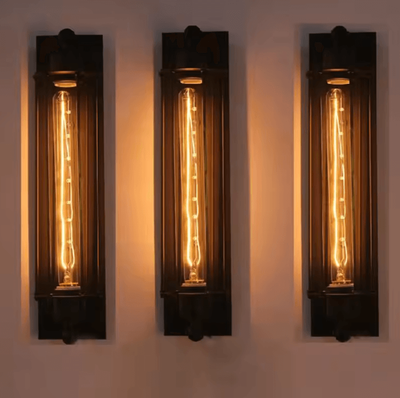
Inspire Curations Retro Industrial Iron E27 Wall Sconce Retro Industrial Iron E27 Wall SconceBring authentic loft character into your space with this industrial wall sconce, designed to make everyday lighting feel more distinctive. Crafted from iron with a tall, streamlined profile, it combines rugged vintage appeal with practical indoor...250,50 $*Shipping: 0,00 $Secure redirect to the provider
-
How can one learn to become an electronics technician for industrial engineering or automation technology?
To become an electronics technician for industrial engineering or automation technology, one can start by pursuing a relevant educational program, such as an associate degree in electronics engineering technology or industrial automation. These programs typically cover topics such as electrical circuits, industrial control systems, and automation technologies. Additionally, gaining hands-on experience through internships or apprenticeships with companies in the industrial engineering or automation field can provide valuable practical skills. Seeking professional certifications, such as those offered by organizations like the International Society of Automation (ISA) or the Electronics Technicians Association (ETA), can also demonstrate expertise and knowledge in the field. Finally, staying updated with the latest advancements in industrial engineering and automation technology through continuous learning and professional development is essential for a successful career in this field. **
-
What are examples of applications of brightness sensors in robotics in private and industrial settings?
In private settings, brightness sensors in robotics can be used in home automation systems to adjust lighting levels based on natural light entering the room, helping to save energy and create a comfortable environment. In industrial settings, brightness sensors can be integrated into robotic systems to ensure consistent lighting conditions for tasks such as quality control in manufacturing processes or monitoring light levels in greenhouses for optimal plant growth. Additionally, brightness sensors can be used in robotic security systems to detect changes in light levels that may indicate potential intruders. **
-
Which training is better suited, industrial clerk or industrial mechanic?
The better-suited training depends on an individual's interests and skills. Industrial clerk training is ideal for those who enjoy working in administrative and organizational roles, handling paperwork, and communicating with clients and suppliers. On the other hand, industrial mechanic training is better suited for individuals who are interested in hands-on work, problem-solving, and repairing and maintaining machinery and equipment. It ultimately comes down to personal preferences and strengths when deciding which training is a better fit. **
-
Should I choose the profession of industrial clerk or industrial mechanic?
The choice between becoming an industrial clerk or an industrial mechanic depends on your interests and skills. If you enjoy working with your hands, solving technical problems, and have a strong mechanical aptitude, then becoming an industrial mechanic may be the right choice for you. On the other hand, if you prefer working in an office environment, managing administrative tasks, and have good organizational and communication skills, then pursuing a career as an industrial clerk may be more suitable. Consider your strengths, interests, and career goals to make an informed decision. **
* All prices are inclusive of VAT and, if applicable, plus shipping costs. The offer information is based on the details provided by the respective shop and is updated through automated processes. Real-time updates do not occur, so deviations can occur in individual cases. ** Note: Parts of this content were created by AI.