Buy ivm.co.at ?
We are moving the project
ivm.co.at .
Are you interested in purchasing the domain
ivm.co.at ?
domain@kv-gmbh.de · 0541-91531010
Buy ivm.co.at ?
What is the difference between the Arctic P14 PWM and the Arctic Bionix P140 PWM?
The Arctic P14 PWM is a standard case fan designed for efficient cooling with a maximum speed of 1700 RPM, while the Arctic Bionix P140 PWM is a high-performance fan with a maximum speed of 2000 RPM. The Bionix P140 PWM features a unique design with optimized fan blades and a motor for improved airflow and reduced noise levels compared to the Arctic P14 PWM. Additionally, the Bionix P140 PWM comes with a 10-year warranty, highlighting its durability and quality. **
Why doesn't the tire pressure monitoring system work, since the wheel sensors are missing in Mercedes Benz?
The tire pressure monitoring system in Mercedes Benz vehicles relies on wheel sensors to accurately measure and transmit tire pressure data to the vehicle's computer system. Without these sensors, the system is unable to monitor tire pressure and alert the driver to any potential issues. As a result, the absence of wheel sensors in a Mercedes Benz would render the tire pressure monitoring system ineffective and unable to perform its intended function. **


Similar search terms for P14
Top-Angebote
Products related to P14:
-
Arctic P14 Pro Reverse 140 mm PWM Fan - Standard, Black, SingleARCTIC’s versatile assortment of Fans is both quiet and powerful. We have the right options for any application or need, in sizes from 80 to 140 mm. Plus, our Fans are equipped with state-of-the-art engine technology, innovative fan blades and high-quality bearings, making them particularly durable and efficient.13,99 £*Shipping: 0,00 £Secure redirect to the provider
-
Arctic P14 140 mm Pressure-optimised PC Case Fan - Black, 5 PackThe P14 fan features completely redesigned fan blades and is optimised for high static pressure. Thus, the P14 is especially effective when used on heatsinks and with higher air resistance.28,49 £*Shipping: 0,00 £Secure redirect to the provider
-
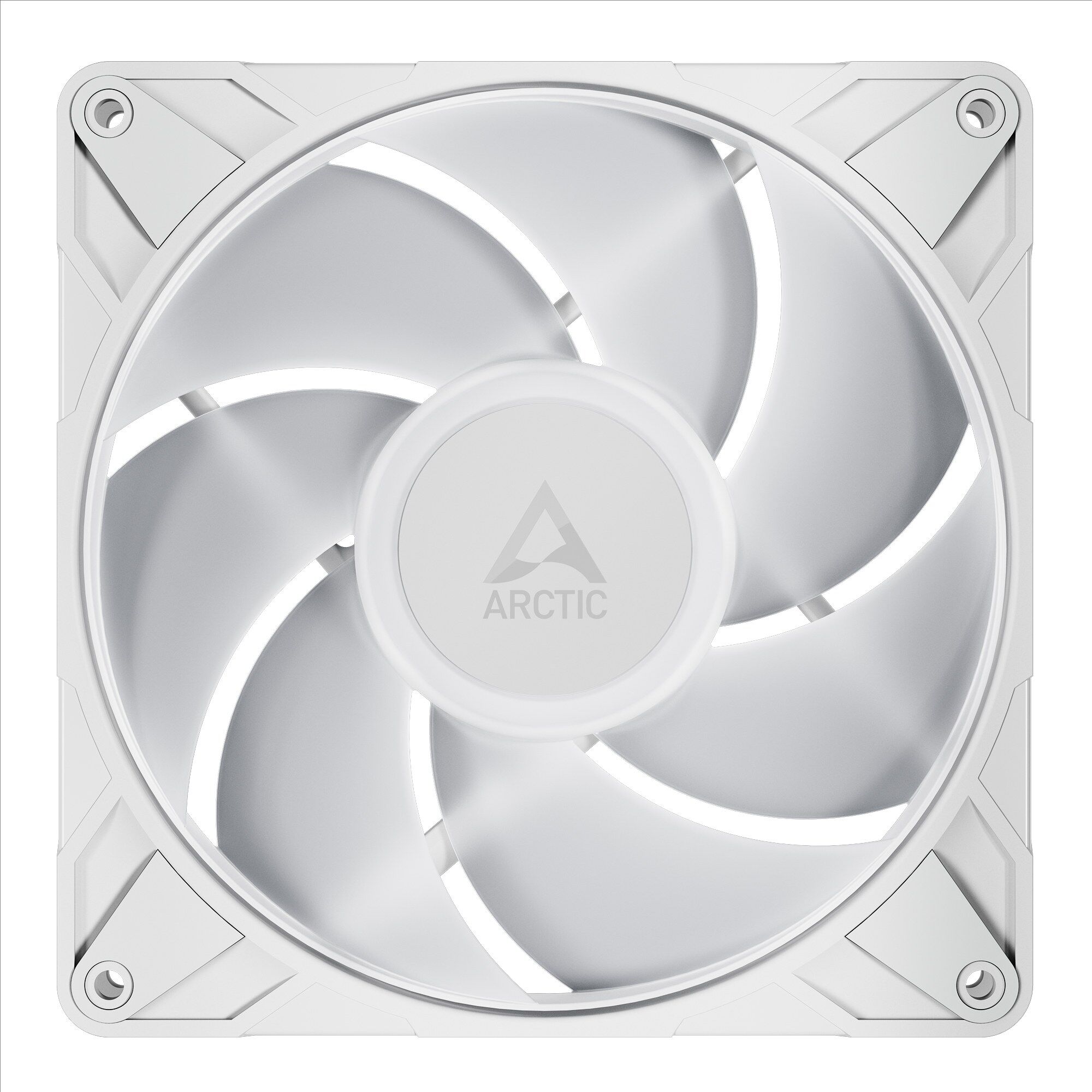
Arctic P14 Pro PST (White) 140 mm PWM Fan with Cable SplitterARCTIC P14 Pro PST (White) 140 mm PWM Fan with Cable Splitter. Type: Fan, Fan diameter: 14 cm, Rotational speed (min): 400 RPM, Rotational speed (max): 2500 RPM, Airflow: 186 m³/h, Maximum air pressure: 5.2 mmH2O, Bearing type: Fluid Dynamic Bearing (FDB). Product colour: White14,99 £*Shipping: 0,00 £Secure redirect to the provider
-
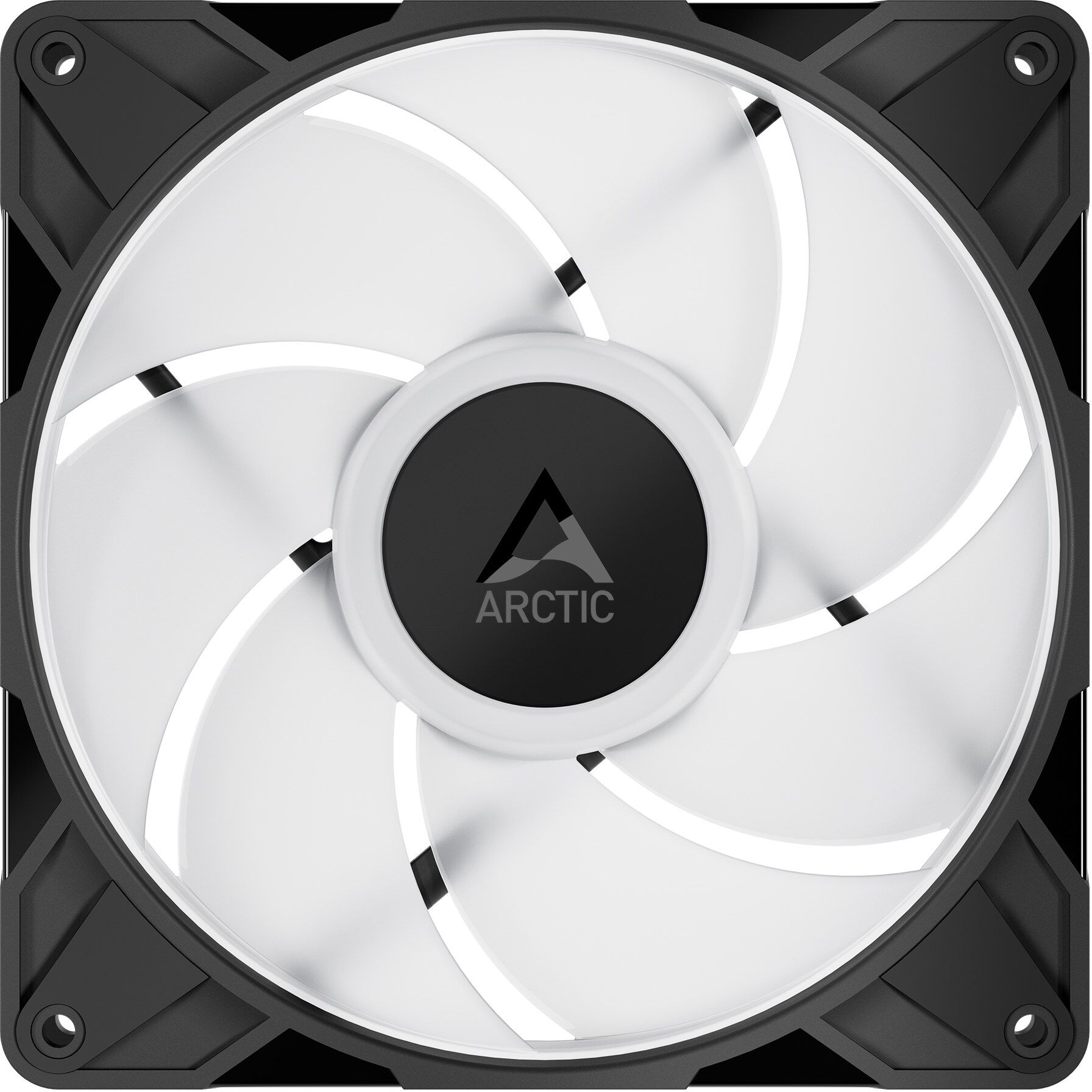
Arctic P14 Pro A-RGB 140 mm PWM Fan with Cable Splitter - BlackARCTIC P14 Pro A-RGB 140 mm A-RGB PWM Fan with Cable Splitter. Type: Fan, Fan diameter: 14 cm, Rotational speed (min): 400 RPM, Rotational speed (max): 2500 RPM, Airflow: 186 m³/h, Maximum air pressure: 5.2 mmH2O, Bearing type: Fluid Dynamic Bearing (FDB). Product colour: Black19,49 £*Shipping: 0,00 £Secure redirect to the provider


-
Are the smoke detectors connected to the control center and is there monitoring?
Yes, the smoke detectors are connected to the control center and there is monitoring in place. When the smoke detectors are triggered, they send a signal to the control center, which then alerts the monitoring team. The monitoring team can then take appropriate action, such as contacting emergency services or notifying the property owner. This ensures that any potential fire hazards are quickly addressed and mitigated. **
-
What is Automation 2?
Automation 2 refers to the next level of automation in a system or process. It involves the use of advanced technologies such as artificial intelligence, machine learning, and robotics to further streamline and optimize tasks and operations. Automation 2 aims to reduce human intervention even further, increase efficiency, and improve accuracy in various industries such as manufacturing, logistics, and customer service. This level of automation often requires more sophisticated and complex systems to be implemented. **
-
Where are the airbag control unit and the airbag sensors located in the Toyota Corolla?
The airbag control unit in the Toyota Corolla is typically located under the center console or under the dashboard. The airbag sensors are usually located in the front of the vehicle, behind the front bumper or in the front grille area. These sensors are strategically placed to detect a collision and send a signal to the airbag control unit to deploy the airbags in the event of a crash. **
-
What is included in the curriculum of the electrical engineer for automation and process control technology?
The curriculum for an electrical engineer specializing in automation and process control technology typically includes courses in control systems, industrial automation, PLC programming, instrumentation, robotics, and process control. Students learn about sensors, actuators, data acquisition systems, and how to design and implement control systems for various industrial processes. They also study topics like industrial communication protocols, human-machine interfaces, and safety systems to prepare them for careers in industries such as manufacturing, energy, and transportation. Hands-on experience with industry-standard software and hardware is often a key component of the curriculum. **

What is included in the curriculum for the electrical engineer specializing in automation and process control technology?
The curriculum for an electrical engineer specializing in automation and process control technology typically includes a combination of electrical engineering fundamentals, automation systems, control theory, and industrial process control. Students may study topics such as digital control systems, PLC programming, industrial instrumentation, robotics, and human-machine interface design. Additionally, they may learn about industrial communication protocols, data acquisition, and system integration. The curriculum may also include hands-on experience with industrial automation equipment and software, as well as opportunities for internships or co-op experiences in relevant industries. **
How strong are sensors?
Sensors can be very strong, depending on their design and purpose. For example, sensors used in industrial applications are often built to withstand harsh environments and can be very robust. On the other hand, sensors used in consumer electronics may be more delicate and sensitive to external factors. Overall, the strength of sensors varies depending on their intended use and the conditions they are designed to operate in. **
Top-Angebote
Products related to P14:
-
Arctic P14 Pro 140 mm PWM FanARCTIC P14 Pro 140 mm PWM Fan. Type: Fan, Fan diameter: 14 cm, Rotational speed (min): 400 RPM, Rotational speed (max): 2500 RPM, Airflow: 186 m³/h, Maximum air pressure: 5.2 mmH2O, Bearing type: Fluid Dynamic Bearing (FDB). Product colour: Black13,99 £*Shipping: 0,00 £Secure redirect to the provider
-
Arctic P14 Pro PST CO 140 mm PWM Fan with Cable Splitter for Continuous OperationARCTIC P14 Pro PST CO 140 mm PWM Fan with Cable Splitter for Continuous Operation. Type: Fan, Fan diameter: 14 cm, Rotational speed (min): 400 RPM, Rotational speed (max): 2500 RPM, Airflow: 186 m³/h, Maximum air pressure: 5.2 mmH2O, Bearing type: Dual ball bearing. Product colour: Black15,99 £*Shipping: 0,00 £Secure redirect to the provider
-
Arctic P14 Pro Reverse 140 mm PWM Fan - Standard, Black, SingleARCTIC’s versatile assortment of Fans is both quiet and powerful. We have the right options for any application or need, in sizes from 80 to 140 mm. Plus, our Fans are equipped with state-of-the-art engine technology, innovative fan blades and high-quality bearings, making them particularly durable and efficient.13,99 £*Shipping: 0,00 £Secure redirect to the provider
-
Arctic P14 140 mm Pressure-optimised PC Case Fan - Black, 5 PackThe P14 fan features completely redesigned fan blades and is optimised for high static pressure. Thus, the P14 is especially effective when used on heatsinks and with higher air resistance.28,49 £*Shipping: 0,00 £Secure redirect to the provider
-
What is the difference between the Arctic P14 PWM and the Arctic Bionix P140 PWM?
The Arctic P14 PWM is a standard case fan designed for efficient cooling with a maximum speed of 1700 RPM, while the Arctic Bionix P140 PWM is a high-performance fan with a maximum speed of 2000 RPM. The Bionix P140 PWM features a unique design with optimized fan blades and a motor for improved airflow and reduced noise levels compared to the Arctic P14 PWM. Additionally, the Bionix P140 PWM comes with a 10-year warranty, highlighting its durability and quality. **
-
Why doesn't the tire pressure monitoring system work, since the wheel sensors are missing in Mercedes Benz?
The tire pressure monitoring system in Mercedes Benz vehicles relies on wheel sensors to accurately measure and transmit tire pressure data to the vehicle's computer system. Without these sensors, the system is unable to monitor tire pressure and alert the driver to any potential issues. As a result, the absence of wheel sensors in a Mercedes Benz would render the tire pressure monitoring system ineffective and unable to perform its intended function. **
-
Are the smoke detectors connected to the control center and is there monitoring?
Yes, the smoke detectors are connected to the control center and there is monitoring in place. When the smoke detectors are triggered, they send a signal to the control center, which then alerts the monitoring team. The monitoring team can then take appropriate action, such as contacting emergency services or notifying the property owner. This ensures that any potential fire hazards are quickly addressed and mitigated. **
-
What is Automation 2?
Automation 2 refers to the next level of automation in a system or process. It involves the use of advanced technologies such as artificial intelligence, machine learning, and robotics to further streamline and optimize tasks and operations. Automation 2 aims to reduce human intervention even further, increase efficiency, and improve accuracy in various industries such as manufacturing, logistics, and customer service. This level of automation often requires more sophisticated and complex systems to be implemented. **
Similar search terms for P14
-
Arctic P14 Pro PST (White) 140 mm PWM Fan with Cable SplitterARCTIC P14 Pro PST (White) 140 mm PWM Fan with Cable Splitter. Type: Fan, Fan diameter: 14 cm, Rotational speed (min): 400 RPM, Rotational speed (max): 2500 RPM, Airflow: 186 m³/h, Maximum air pressure: 5.2 mmH2O, Bearing type: Fluid Dynamic Bearing (FDB). Product colour: White14,99 £*Shipping: 0,00 £Secure redirect to the provider
-
Arctic P14 Pro A-RGB 140 mm PWM Fan with Cable Splitter - BlackARCTIC P14 Pro A-RGB 140 mm A-RGB PWM Fan with Cable Splitter. Type: Fan, Fan diameter: 14 cm, Rotational speed (min): 400 RPM, Rotational speed (max): 2500 RPM, Airflow: 186 m³/h, Maximum air pressure: 5.2 mmH2O, Bearing type: Fluid Dynamic Bearing (FDB). Product colour: Black19,49 £*Shipping: 0,00 £Secure redirect to the provider
-
Arctic P14 Pro A-RGB 140 mm PWM Fan with Cable Splitter - WhiteARCTIC P14 Pro A-RGB (White) 140 mm A-RGB PWM Fan with Cable Splitter. Type: Fan, Fan diameter: 14 cm, Rotational speed (min): 400 RPM, Rotational speed (max): 2500 RPM, Airflow: 186 m³/h, Maximum air pressure: 5.2 mmH2O, Bearing type: Fluid Dynamic Bearing (FDB). Product colour: White19,49 £*Shipping: 0,00 £Secure redirect to the provider
-
Arctic P14 Pro Reverse 140 mm PWM Fan - Standard, Black, 3 PackARCTIC’s versatile assortment of Fans is both quiet and powerful. We have the right options for any application or need, in sizes from 80 to 140 mm. Plus, our Fans are equipped with state-of-the-art engine technology, innovative fan blades and high-quality bearings, making them particularly durable and efficient.27,49 £*Shipping: 0,00 £Secure redirect to the provider
-
Where are the airbag control unit and the airbag sensors located in the Toyota Corolla?
The airbag control unit in the Toyota Corolla is typically located under the center console or under the dashboard. The airbag sensors are usually located in the front of the vehicle, behind the front bumper or in the front grille area. These sensors are strategically placed to detect a collision and send a signal to the airbag control unit to deploy the airbags in the event of a crash. **
-
What is included in the curriculum of the electrical engineer for automation and process control technology?
The curriculum for an electrical engineer specializing in automation and process control technology typically includes courses in control systems, industrial automation, PLC programming, instrumentation, robotics, and process control. Students learn about sensors, actuators, data acquisition systems, and how to design and implement control systems for various industrial processes. They also study topics like industrial communication protocols, human-machine interfaces, and safety systems to prepare them for careers in industries such as manufacturing, energy, and transportation. Hands-on experience with industry-standard software and hardware is often a key component of the curriculum. **
-
What is included in the curriculum for the electrical engineer specializing in automation and process control technology?
The curriculum for an electrical engineer specializing in automation and process control technology typically includes a combination of electrical engineering fundamentals, automation systems, control theory, and industrial process control. Students may study topics such as digital control systems, PLC programming, industrial instrumentation, robotics, and human-machine interface design. Additionally, they may learn about industrial communication protocols, data acquisition, and system integration. The curriculum may also include hands-on experience with industrial automation equipment and software, as well as opportunities for internships or co-op experiences in relevant industries. **
-
How strong are sensors?
Sensors can be very strong, depending on their design and purpose. For example, sensors used in industrial applications are often built to withstand harsh environments and can be very robust. On the other hand, sensors used in consumer electronics may be more delicate and sensitive to external factors. Overall, the strength of sensors varies depending on their intended use and the conditions they are designed to operate in. **
* All prices are inclusive of VAT and, if applicable, plus shipping costs. The offer information is based on the details provided by the respective shop and is updated through automated processes. Real-time updates do not occur, so deviations can occur in individual cases. ** Note: Parts of this content were created by AI.